
READY TO USE 45-MINUTE TEACHING MATERIALSInteractive educational tools


CONSTRUCTIVE PEDAGOGY FOR AGES 3-12What is the Smartsandbox?
EXPERIENTIAL PEDAGOGYBenefits for teachers
Long-term attention
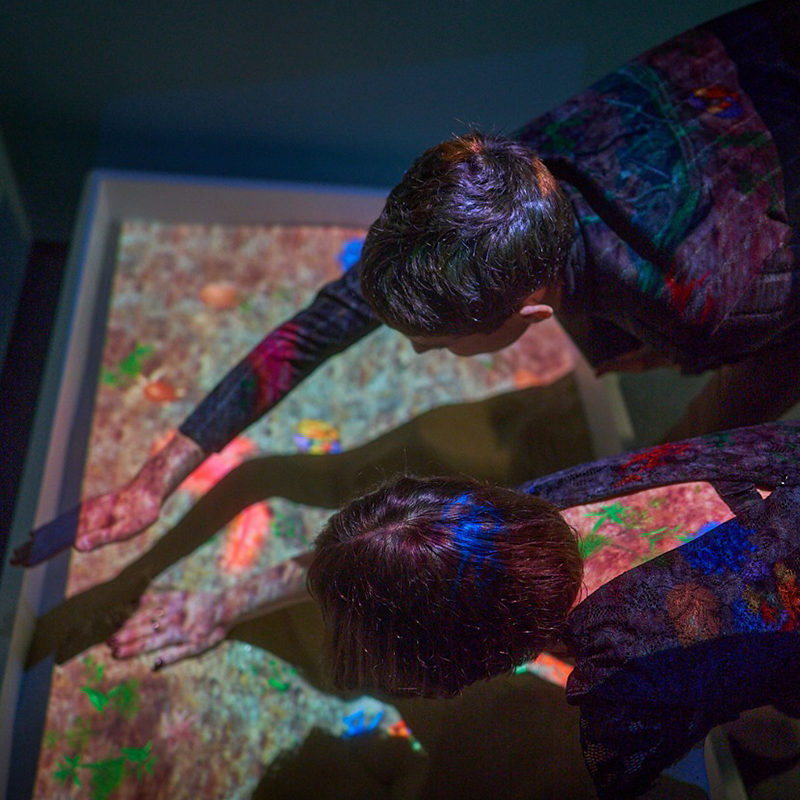
Active teacher-student interaction
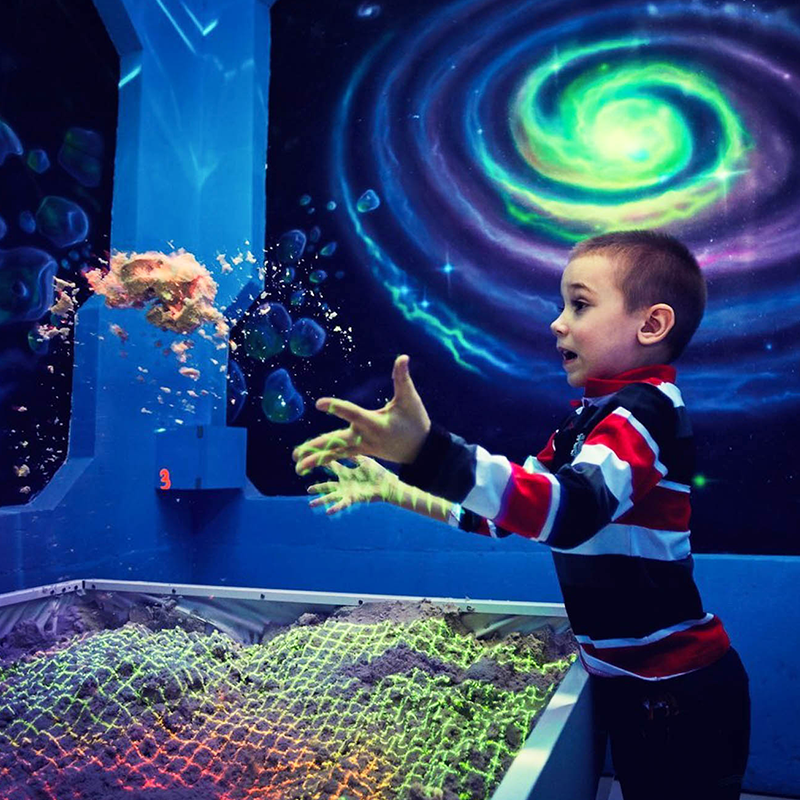
Playful teaching
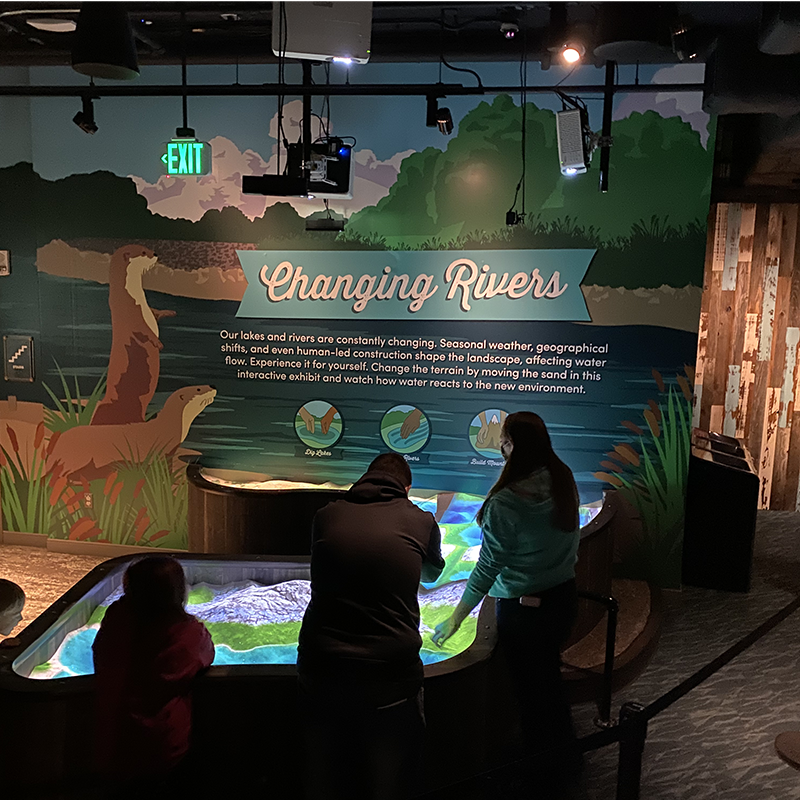
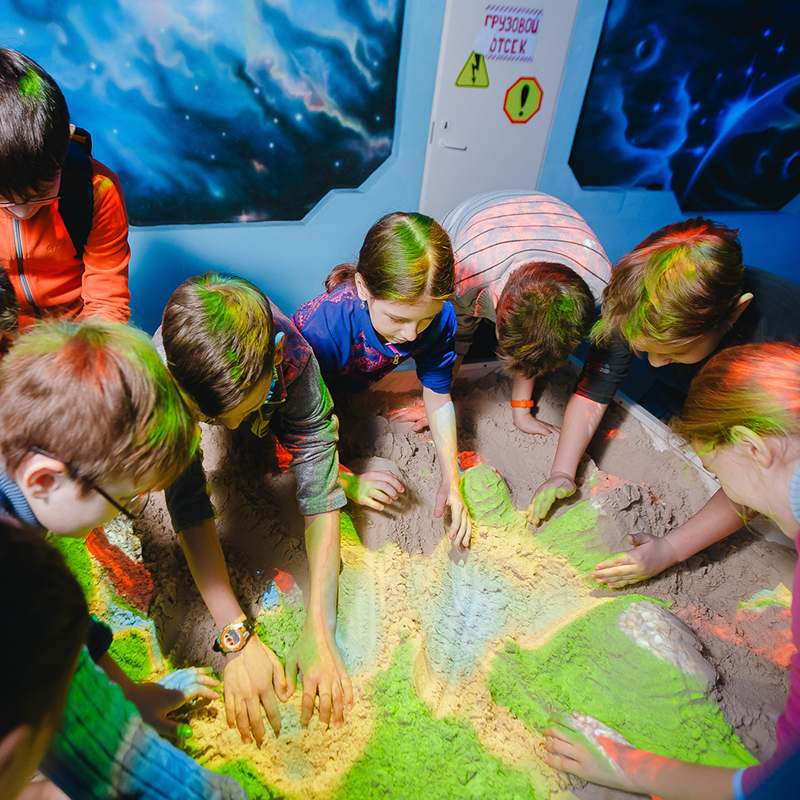
LEARNING THROUGH PLAYINGFrom nursery to high school
INTUITIVE CONTROLSimple usage
3 STEAM FOCUSED READY-MADE LESSON PLANSSmartsandbox Classroom


A virtual space where you can find 3 pre-made lesson plan outlines for the Smartsandbox’s games. The purpose of these outlines is to introduce educators to the possibilities of teaching with the Smartsandbox, providing them with ideas and inspiration to design their own lessons.
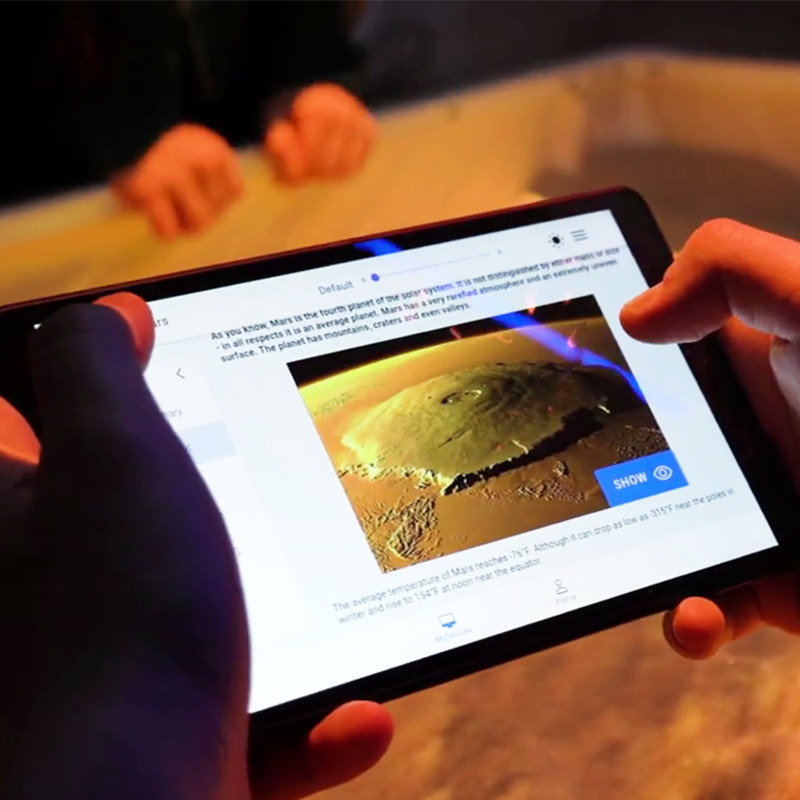
The Classroom’s teaching materials were mainly designed for subjects related to environmental protection and natural science, such as the solar system, photosynthesis, and the internal and external forces of the Earth. They can also be used for teaching the basics of foreign languages (colors, shapes, plants, animals, seasons, etc.). The lesson plans have been compiled to correspond to the level of students in grades 1 to 7.
The lessons place a strong emphasis on practical experiential learning for children, aiming to recognize the connections between various sciences and real-life experiences. The curriculum is developed based on the STEM approach, fostering critical thinking, hypothesis formulation, modeling, and problem-solving. We also consider social and emotional learning important, which students can practice through communication and teamwork.
COMPARE DIMENSIONS, WEIGHT AND FEATURESModels for every need
NUMBER OF PLAYERS
(max.)
7
10
3
DIMENSIONS (cm)
(height x length x width)
215 × 116 × 99
236× 153 × 115
275 × 153× 115
WEIGHT (kg)
(without sand)
90
113
115
PLAY AREA DIMENSIONS (cm)
(length x width x depth)
110 x 75 x 18
153 x 96 x 18
153 x 96 x 18
PLAY AREA (m2)
0.92
1.37
1.54
SAND (kg)
recommended quantity
150
220
240
CONTROL
built-in display with buttons
tablet
built-in display with buttons
tablet
built-in display with buttons
tablet
ENGLISH LANGUAGE
interface and programs
yes
yes
yes
REVIEWS FROM KIDERGARTENS, PLAYHOUSESReviews around the world
- Extracurricular classes
- Sustainable interest
- Special educational needs
In this Russian kindergarten, the Smartsandbox is just one of the developmental toys, but educators and psychologists quickly noticed its success during the sessions. So much so that six months after purchasing the Smartsandbox, they started offering paid separate classes using it, which were eagerly welcomed by both parents and children. The cost of the Smartsandbox was recouped within 18 months of afternoon sessions.
Nowadays, it is very challenging to keep children engaged as their days are spent amid media noise and gadgets in a fast-paced and distracting world. However, the little residents of this Tomsk kindergarten eagerly await their time with the Smartsandbox. Besides education, the sandbox has various positive effects. It helps educators achieve their educational goals, as children absorb information more quickly and effectively through visual stimulation while developing their cognitive and motor skills. The aim of an educational institution is to help children grow, feel good about themselves, and be safe. The Smartsandbox is a tool that children happily talk about even at home, and parents come to see it as well.
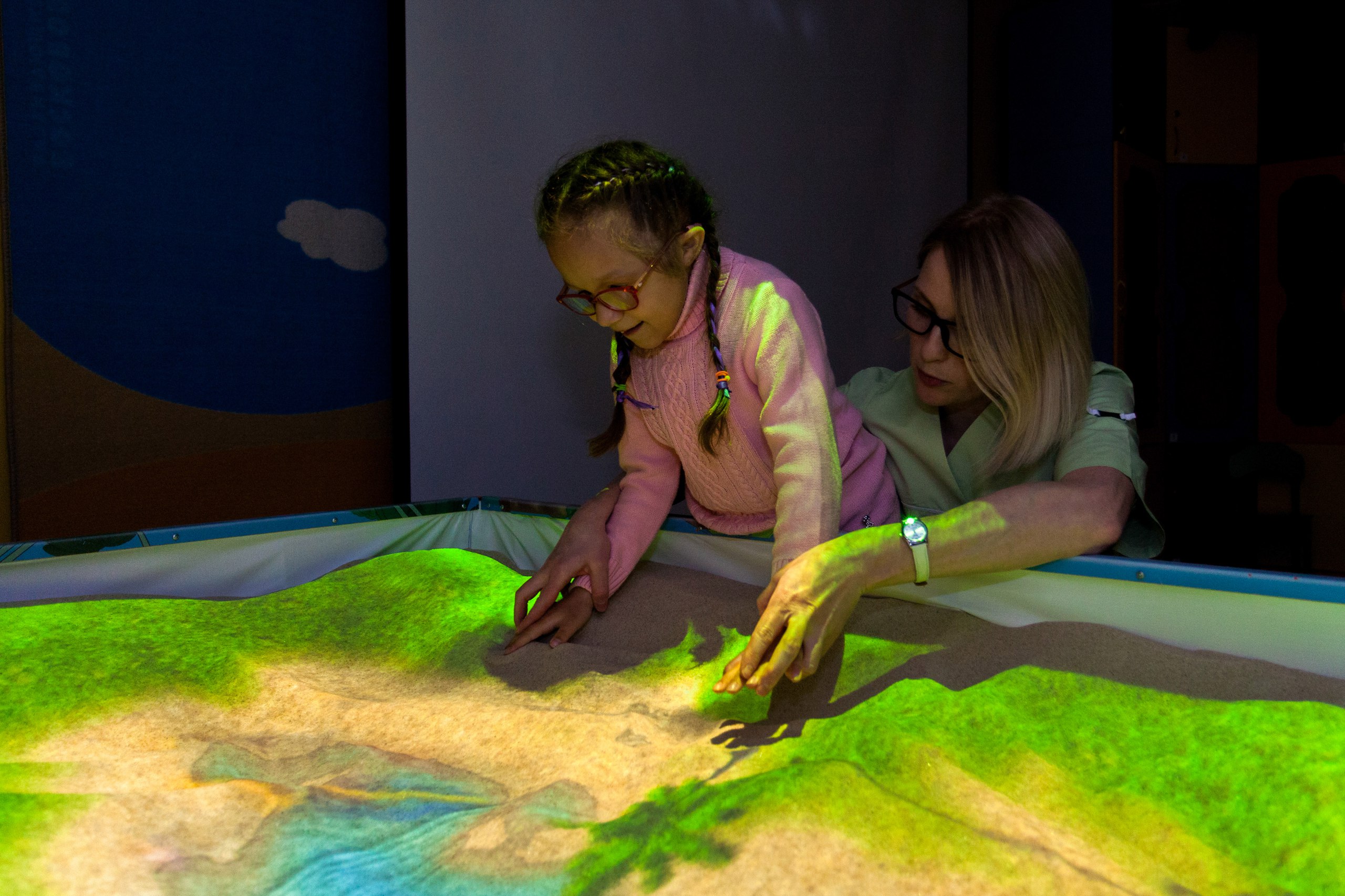
Based on the report of Alexandra, the Russian kindergarten psychologist, we can follow the changes observed over the two years since the purchase of the Smartsandbox. When it arrived, they didn’t understand what it was for, but the educators tried out all the games and introduced the children to the world of the Smartsandbox. Now even the adults can’t get enough of the games. The positive impact of the smart sandbox was most noticeable among children with special needs, who exhibited calmer and more balanced behavior after the sessions.
BY YOUR INQUIRYContact
Contact us